By Vineet Kamran · Approx. 6-minute read
The Sun and Moon hold a distinctive place in Vedic Astrology. The Sun is associated with the soul, vitality and purpose; the Moon represents the mind, emotional receptivity and our changing inner experience.
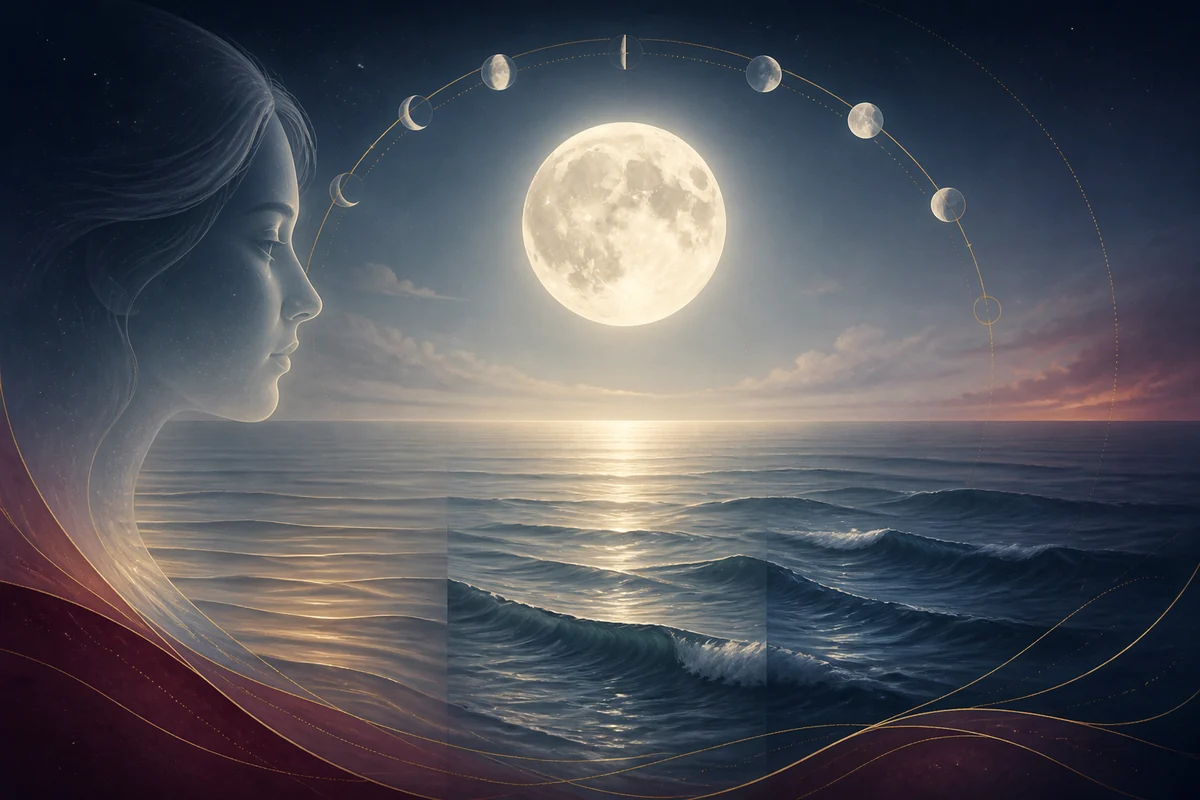
Just as moonlight changes visibly through the month, the mind may move through different phases. This is a symbolic analogy—not a claim that every mood is directly caused by the Moon.
The Moon in a Horoscope
The Moon’s sign, house, strength, phase, associations and aspects are examined together. A bright, supported Moon is traditionally associated with steadiness, receptivity and emotional resilience. A pressured Moon may indicate sensitivity, overthinking or fluctuation, but the complete horoscope and the person’s circumstances must be considered.
Jyotisha also studies the Moon’s movement through the twenty-seven Nakshatras. Each Nakshatra adds its own symbolic quality, and the Moon’s natal position becomes important in understanding temperament and timing.
Mind Is More Than One Planet
No mental or emotional experience should be reduced to a single planetary placement. Mercury, the ascendant, relevant houses, dashas, transits, divisional charts, health, relationships, stress and lived circumstances all contribute to the picture.
Astrological reflection can sometimes help a person recognise patterns, but it should never label, frighten or blame someone for their emotions.
A Grounded Response to Changing Moods
Regular sleep, movement, time in nature, supportive relationships, meditation, prayer and structured daily habits may help many people feel more grounded. When sadness, anxiety, irritability or mood changes are persistent, intense or disruptive, professional care is important.
Stay Blessed,
Vineet Kamran